
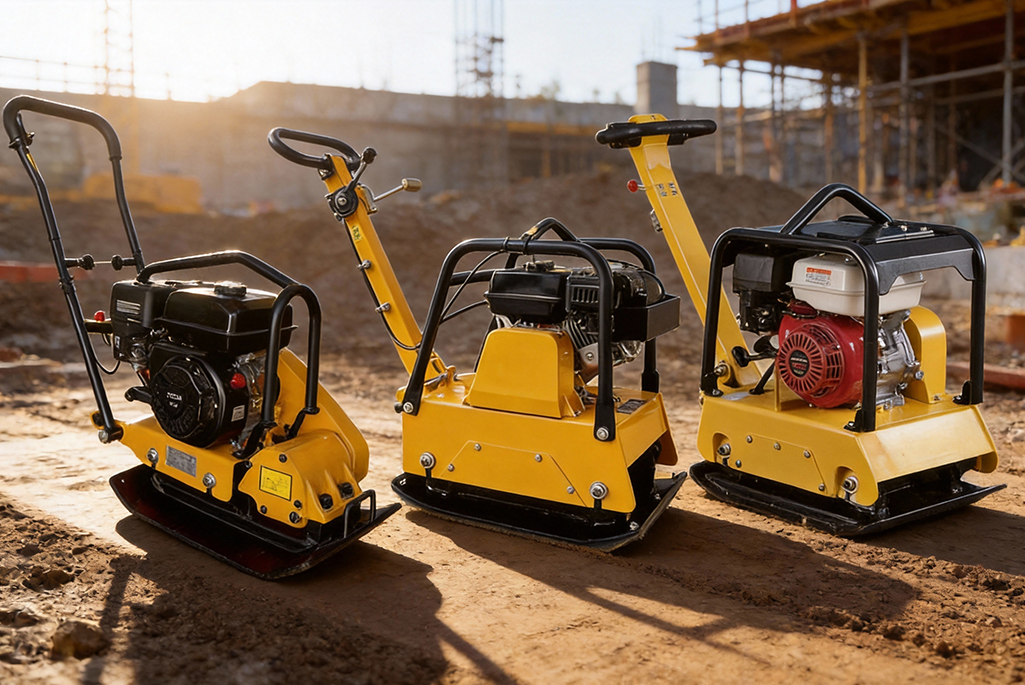
Whether you’re compacting soil for a foundation, preparing a road base, or finishing asphalt surfaces, a plate rammer is your most reliable ally in construction. However, maximizing its efficiency, ensuring safety, and extending equipment lifespan require more than just turning it on. This guide shares proven operation tips tailored to construction professionals, contractors, and equipment operators—designed to help you achieve perfect compaction results every time, while minimizing downtime and maintenance costs.
1. Pre-Operation Preparation: Lay the Groundwork for Success
1.1 Inspect the Plate Rammer Thoroughly
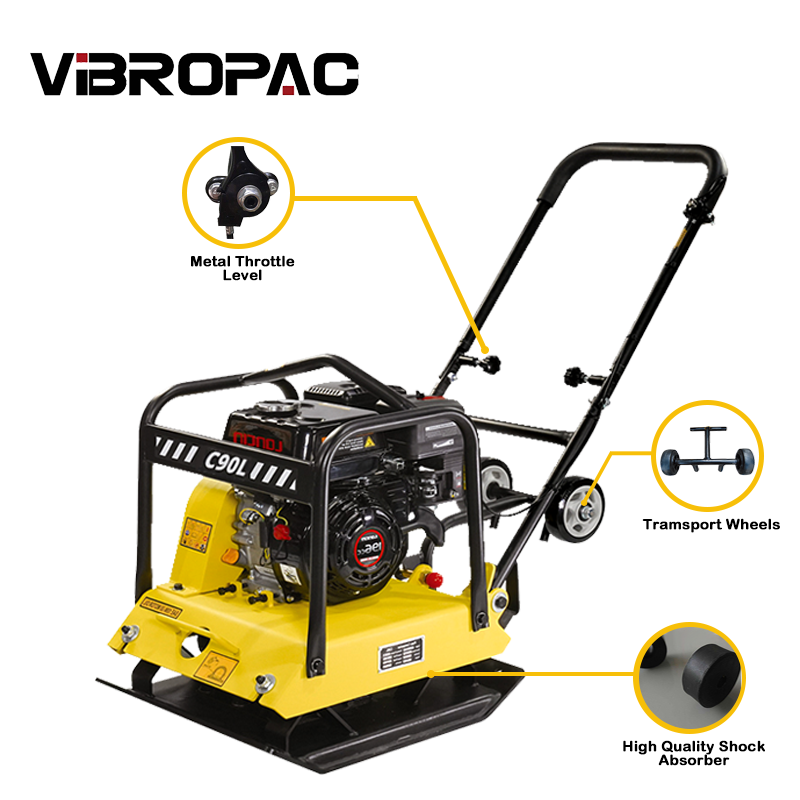
Before starting any project, conduct a comprehensive equipment check to avoid on-site failures:
- Engine & Fuel System: Verify fuel levels (use the manufacturer-recommended fuel type, e.g., unleaded gasoline for most models) and check for leaks. Inspect the oil level (engine and hydraulic oil if applicable) and replace if contaminated.
- Mechanical Components: Ensure the compaction plate is free of debris, cracks, or excessive wear. Tighten loose bolts, nuts, and fasteners—vibration during operation can loosen connections over time.
- Safety Features: Test the emergency stop button, throttle control, and handle grips. Confirm that the exhaust system is intact to prevent carbon monoxide leaks.
- Wheels & Transport: If your plate rammer has transport wheels, check tire pressure and stability to avoid accidents during movement.
-
1.2 Prepare the Worksite for Optimal CompactionA well-prepared worksite directly impacts compaction quality:
- Clear Debris: Remove rocks, branches, roots, and other obstacles that could damage the plate or create uneven compaction. For fine-grade compaction (e.g., sand or topsoil), screen the material to eliminate large particles.
- Moisten Dry Soil: For cohesive soils (clay, silt) or dry granular materials (gravel, sand), lightly moisten the surface—optimal moisture content (typically 10-15%) helps particles bind together. Avoid overwatering, as muddy soil will not compact effectively.
- Level the Surface: Rough-grade the area to ensure uniform thickness of the material (follow project specifications for layer depth, usually 4-6 inches for plate rammers). Uneven layers lead to inconsistent compaction and structural issues later.
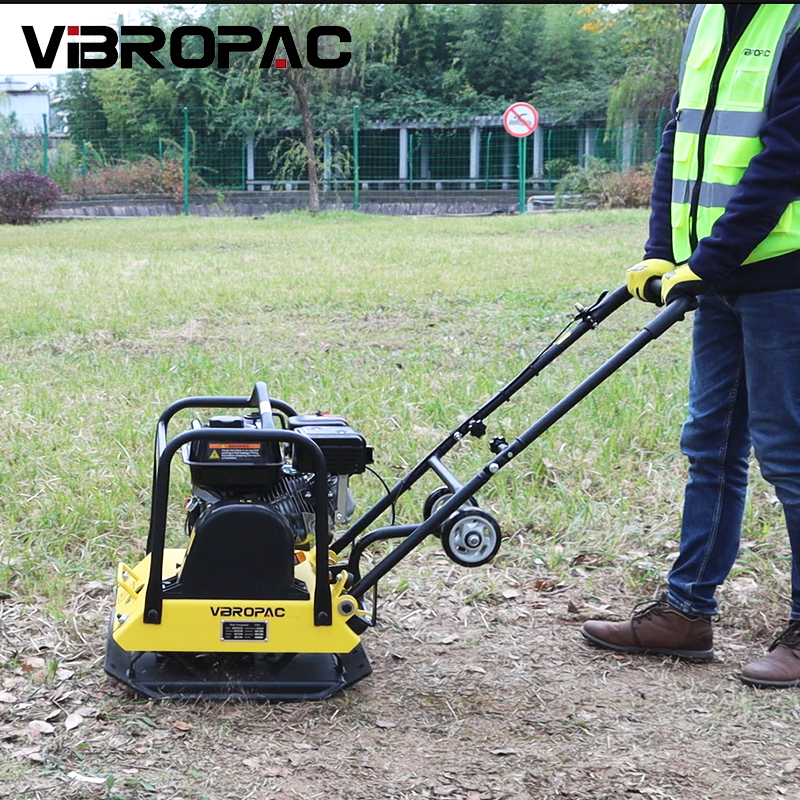
2. Core Operation Techniques: Achieve Perfect Compaction2.1 Start the Plate Rammer CorrectlyFollow these steps to start the equipment safely and efficiently:- Place the rammer on a flat, stable surface—never start it on uneven ground or slopes.
- Set the throttle to the “idle” position and engage the choke (if applicable, for cold starts).
- Pull the recoil starter gently until you feel resistance, then give a firm, quick pull to start the engine.
- Let the engine warm up for 2-3 minutes at idle before increasing the throttle to operating speed.
- Disengage the choke gradually as the engine reaches operating temperature.
-
2.2 Master the Compaction Pattern & SpeedThe key to uniform compaction lies in your movement pattern and speed:
- Pattern Selection: Use an overlapping, grid-like pattern. For small areas, work in straight lines, overlapping each pass by 15-20% of the plate width (e.g., 3-4 inches for a 20-inch plate). For larger projects, alternate directions (north-south, then east-west) to eliminate gaps.
- Speed Control: Maintain a steady forward speed of 2-3 km/h (1-2 mph). Moving too fast results in insufficient compaction; moving too slow wastes time and may over-compact the surface.
- Layer Compaction: Compact in multiple layers rather than a single thick layer. For example, if compacting 12 inches of soil, split it into 3 layers of 4 inches each—this ensures deep, uniform compaction throughout the material.
2.3 Adjust for Different Materials & ConditionsAdapt your operation to the material type and worksite conditions for optimal results:- Granular Materials (Gravel, Sand): Use higher vibration frequency (most plate rammers offer 50-70 Hz) and a slightly faster speed. Focus on multiple passes to lock particles together.
- Cohesive Soils (Clay, Silt): Use lower vibration frequency and slower speed. Allow time for the soil to settle between passes—cohesive materials require more time to release air pockets.
- Asphalt & Paving: Use a plate rammer with a rubberized or non-marking plate to avoid damaging the surface. Operate at lower throttle to prevent overheating the asphalt, and compact immediately after laying while the material is still warm (120-150°C).
- Slopes: For slopes up to 15°, work from the bottom up to prevent material slippage. Use a plate rammer with a low center of gravity and ensure the operator has a stable foothold—avoid slopes steeper than the manufacturer’s recommended limit.
3. Safety First: Essential Guidelines for OperatorsOperating heavy machinery requires strict adherence to safety protocols to prevent injuries:- Personal Protective Equipment (PPE): Always wear a hard hat, safety glasses, ear protection (plate rammers produce 85-95 dB of noise), steel-toe boots, and work gloves. For dusty environments, add a dust mask or respirator.
- Operator Position: Stand to the side of the handle (not directly behind) to avoid being hit by flying debris. Keep a firm grip with both hands and maintain balance—never operate the rammer while fatigued or under the influence of drugs/alcohol.
- Avoid Hazardous Areas: Keep clear of underground utilities (call 811 or local utility locators before digging) and overhead power lines. Do not operate near water or flammable materials unless the rammer is rated for wet or hazardous environments.
- Emergency Protocol: Familiarize yourself with the emergency stop button. If the rammer malfunctions (e.g., unusual noise, smoke, or vibration), turn it off immediately, disconnect the spark plug wire, and inspect the issue before restarting.
4. Troubleshooting Common Operation IssuesEven with proper preparation, you may encounter problems—here’s how to resolve them:- Uneven Compaction: Check if the plate is level (worn plate edges can cause tilting) or if the material layer is uneven. Adjust the compaction pattern to overlap more in problem areas.
- Poor Compaction Results: If the material doesn’t reach the required density (test with a penetrometer or compaction meter), increase the number of passes, adjust the moisture content, or reduce layer thickness.
- Engine Stalling: Common causes include low fuel, clogged air filter, or dirty spark plug. Check these components and clean or replace as needed.
- Excessive Vibration: Loose bolts or a damaged vibration mechanism may be the issue. Stop operation, inspect the rammer, and tighten or repair parts before continuing.
5. Post-Operation Maintenance: Extend Your Plate Rammer’s LifespanProper maintenance after use ensures your equipment remains reliable for years:- Clean the Equipment: Remove dirt, debris, and moisture from the plate, engine, and handles. Use a brush or compressed air to clean hard-to-reach areas—avoid high-pressure water on electrical components.
- Inspect for Wear: Check the compaction plate for cracks or excessive wear (replace if the plate thickness is below the manufacturer’s limit). Inspect hoses, cables, and filters for damage.
- Store Properly: Drain fuel (or add fuel stabilizer) if storing for more than 30 days. Store the rammer in a dry, ventilated area—use a cover to protect it from dust and moisture. For transport, secure the rammer to a trailer or truck to prevent movement.
- Schedule Regular Servicing: Follow the manufacturer’s maintenance schedule for oil changes, filter replacements, and engine tune-ups. Regular servicing reduces breakdowns and maintains optimal performance.
6. Choose the Right Plate Rammer for the JobEven the best operation 技巧 can’t compensate for using the wrong equipment. Consider these factors when selecting a plate rammer:- Compaction Force: Match the rammer’s force (measured in kN) to the material—heavier rammers (20-50 kN) for cohesive soils and large projects; lighter rammers (10-20 kN) for granular materials and small jobs.
- Plate Size: Larger plates (18-24 inches) cover more area but are less maneuverable; smaller plates are ideal for tight spaces (e.g., around foundations or pipes).
- Power Source: Gasoline-powered rammers offer portability; electric rammers are quieter and eco-friendly (best for indoor or urban projects with noise restrictions).
- Compliance: Ensure the rammer meets local standards (e.g., EU CE certification, US EPA emission standards) for your target market—compliant equipment reduces legal risks and builds buyer trust.
Conclusion: Elevate Your Compaction GameBy following these operation tips, you’ll not only achieve superior compaction results but also protect your investment in plate rammer equipment. Remember: preparation, proper technique, and safety are the pillars of successful operation. Whether you’re a seasoned contractor or a first-time operator, mastering these skills will boost productivity, reduce costs, and enhance job site safety.Looking for a high-quality plate rammer that delivers on performance and durability? Explore our range of CE/EPA-certified vibratory plate rammers—designed for overseas construction projects. Download our free Plate Rammer Maintenance Checklist or contact our team for personalized product recommendations tailored to your needs!