
Tamping Rammer: Complete Guide to Choose, Use & Maintain for Soil Compaction
When it comes to construction, landscaping, or road repair projects, achieving solid soil compaction is non-negotiable. A high-quality tamping rammer (also known as a jumping jack rammer) is the ultimate tool for compacting soil, gravel, or sand in tight spaces—where plate compactors can’t reach. Whether you’re a contractor, landscaper, or DIY enthusiast, this guide will help you choose the right tamping rammer, use it safely, and maintain it for long-lasting performance.
What Is a Tamping Rammer & Why Do You Need It?
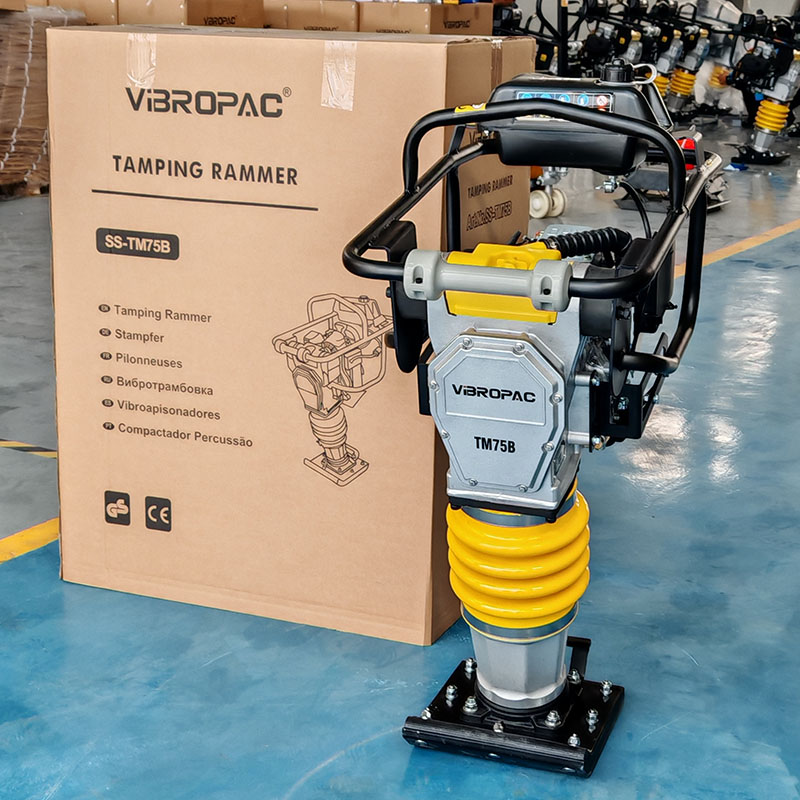
A tamping rammer (or rammer compactor) is a portable compaction machine designed to deliver high-impact force to compact soil, clay, or aggregate materials. Unlike vibratory plate compactors that use horizontal vibration, tamping rammers use vertical impacts—making them ideal for:
- Trench compaction (for utility lines, drainage systems)
- Foundation preparation (before pouring concrete)
- Road repair (pothole filling, edge compaction)
- Landscaping (patio bases, garden paths)
- Soil compaction in narrow or confined areas
Why choose a jumping jack rammer over other compactors? Its vertical impact force (measured in kN) ensures deep compaction—even for cohesive soils like clay. For projects that require dense, stable ground, a tamping rammer is more efficient than manual tampers and more versatile than plate compactors.
Types of Tamping Rammers: Which One Fits Your Project?
Tamping rammers are categorized by power source, weight, and stroke force. Here’s how to pick the right type:
1. By Power Source
- Gasoline Tamping Rammer: The most popular choice for outdoor projects. Powered by 4-stroke engines (5.5hp is a common rating), they offer high mobility and no power cord restrictions. Perfect for construction sites without electricity.
- Diesel Tamping Rammer: Ideal for heavy-duty projects (e.g., highway construction). Diesel engines provide more torque and fuel efficiency for long-hour use. Best for professional contractors.
- Electric Tamping Rammer: Quiet, eco-friendly, and low-maintenance. Suitable for indoor projects, residential areas, or jobsites with strict noise/emission regulations.
- Battery Powered Tamping Rammer: Cordless and portable—great for small to medium projects (e.g., DIY patio installation). No fuel costs, but limited runtime (choose 20V+ batteries for longer use).
2. By Weight & Capacity
- Lightweight (60-80kg): For small projects (DIY, garden paths, small trenches). Easy to carry and maneuver.
- Medium (80-100kg): Versatile for most commercial projects (foundation prep, road repair). Balances power and portability.
- Heavy Duty (100kg+): For large-scale construction (highway trenches, industrial foundations). Delivers maximum compaction force.
How to Choose the Best Tamping Rammer: 5 Key Factors
Choosing the right tamping rammer starts with understanding your project needs. Here’s what to consider:
1. Compaction Requirements
- For cohesive soils (clay): Choose a rammer with high impact force (≥15kN) to break up soil particles.
- For non-cohesive soils (sand, gravel): A medium-impact rammer (10-15kN) works well.
2. Project Size & Space
- Narrow trenches or tight corners: Opt for a compact tamping rammer with a small base plate (≤300mm width).
- Large open areas: Combine a jumping jack rammer with a plate compactor for efficiency.
3. Power Source Preference
- No electricity access: Gasoline or diesel tamping rammer.
- Noise-sensitive areas: Electric or battery-powered model.
4. Durability & Build Quality
- Look for a heavy-duty steel base plate (resists wear) and reinforced handle (reduces vibration).
- Choose a reputable tamping rammer manufacturer for reliable after-sales support.
5. Budget & Usage Frequency
- Occasional DIY use: Affordable electric or lightweight gasoline model.
- Daily professional use: Invest in a commercial-grade diesel or heavy-duty gasoline rammer (lower long-term costs).
How to Use a Tamping Rammer Safely & Efficiently
Improper use can lead to accidents or poor compaction results. Follow these steps:
1. Pre-Use Checks
- Inspect the engine (oil level, fuel, spark plug) for gasoline/diesel models.
- Check the base plate for cracks or wear.
- Ensure the handle is secure and vibration dampeners are in good condition.
2. Operation Tips
- Start the rammer on level ground—never in trenches or unstable soil.
- Hold the handle firmly with both hands (use gloves to reduce vibration).
- Move the rammer in a slow, overlapping pattern (50% overlap) to ensure uniform compaction.
- Avoid over-compacting: Test soil density with a penetrometer—stop when the desired density is reached.
3. Safety Precautions
- Wear personal protective equipment (PPE): Safety goggles, earplugs, steel-toe boots, and work gloves.
- Keep bystanders at least 5 meters away during operation.
- Never operate the rammer on wet or slippery surfaces.
- Turn off the engine before refueling—allow it to cool down first.
Tamping Rammer Maintenance: Extend Its Lifespan
Regular maintenance ensures your rammer compactor performs at its best for years. Here’s a simple checklist:
1. Daily Maintenance
- Clean the base plate after use (remove soil or debris).
- Check for loose bolts or nuts—tighten if necessary.
- Inspect the fuel and oil levels (for gas/diesel models).
2. Weekly Maintenance
- Lubricate moving parts (hinges, handle joints) to reduce friction.
- Clean the air filter (replace if dirty for gasoline/diesel rammers).
- Check the vibration dampeners for wear—replace if cracked.
3. Monthly Maintenance
- Change the engine oil (follow manufacturer’s recommendations).
- Inspect the spark plug (clean or replace if needed).
- Test the compaction force to ensure it’s within the rated range.
Tamping Rammer vs. Plate Compactor: Which Should You Choose?
Many users wonder: What’s the difference between a tamping rammer and a plate compactor? Here’s a quick comparison:
| Feature | Tamping Rammer (Jumping Jack) | Plate Compactor |
| Compaction Method | Vertical impact | Horizontal vibration |
| Best For | Tight spaces, cohesive soils | Large areas, non-cohesive soils |
| Mobility | High (portable) | Lower (bulkier) |
| Compaction Depth | Deep (up to 30cm) | Shallow (up to 15cm) |
| Ideal Projects | Trenches, foundations, road edges | Driveways, parking lots, large patios |
If your project involves narrow spaces or clay soil, a tamping rammer is the better choice. For large open areas with sand or gravel, a plate compactor is more efficient.
Where to Buy a High-Quality Tamping Rammer?
Whether you need a gasoline tamping rammer for commercial use or a battery-powered model for DIY projects, choosing a reliable supplier is key. Look for:
- ISO-certified manufacturers (ensures quality and safety standards).
- Wholesale options if buying in bulk (for contractors or distributors).
- Customizable models (adjust weight, impact force, or base plate size).
- After-sales support (warranty, spare parts, technical assistance).
Our tamping rammer series includes gasoline, diesel, electric, and battery-powered models—designed for durability and performance. Contact us today for a custom quote or to learn more about our wholesale tamping rammer options!
FAQ
Q: What is a tamping rammer used for?
A: A tamping rammer is used to compact soil, clay, gravel, or sand in construction, landscaping, or road repair projects—especially in tight spaces where other compactors can’t reach.
Q: How to maintain a tamping rammer?
A: Clean the base plate daily, check oil/fuel levels, lubricate moving parts weekly, change engine oil monthly, and replace worn parts (air filter, vibration dampeners) as needed.
Q: Gasoline vs. diesel tamping rammer—which is better?
A: Gasoline rammers are more portable and suitable for most projects. Diesel rammers offer more torque and fuel efficiency for heavy-duty, long-hour use.