
Tamping Rammer: Avoid These 5 Mistakes & Boost Compaction Efficiency for Commercial Projects
For contractors, construction companies, and landscaping professionals, a reliable tamping rammer (or jumping jack rammer) is more than just a tool—it’s a profit driver. Poor compaction leads to project delays, rework costs, and safety hazards, while the right rammer compactor can cut labor time by 50% and ensure soil stability for years. This guide targets commercial users (and serious DIYers) to fix common mistakes, optimize tamping rammer performance, and choose the best model for high-volume projects.
Why Commercial Projects Demand the Right Tamping Rammer
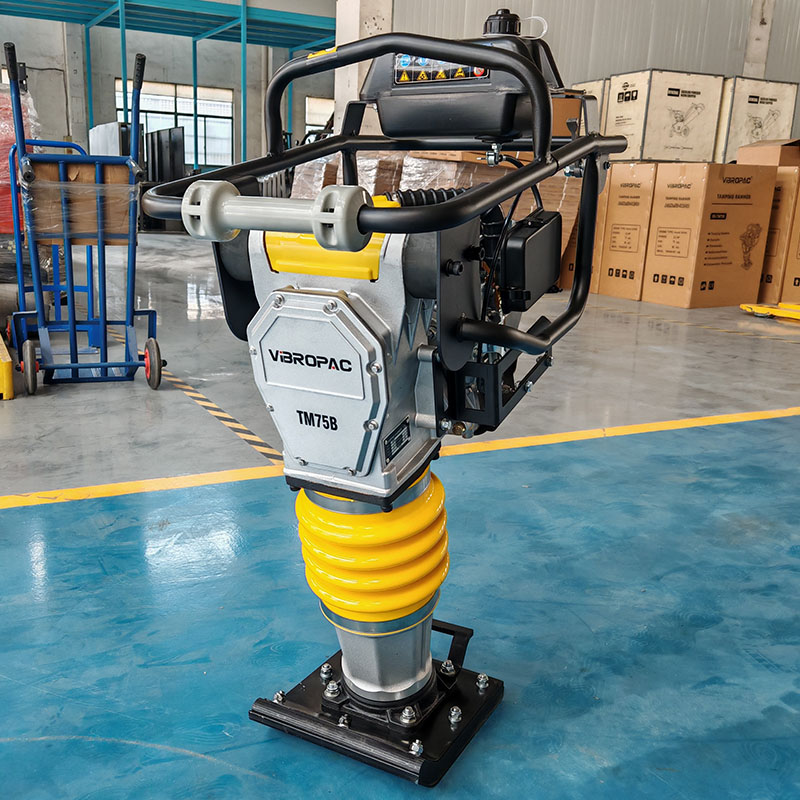
Commercial construction, utility installation, and road repair projects have zero room for compaction errors. A heavy duty tamping rammer delivers vertical impact force (15-30kN) that penetrates cohesive soils (clay, loam) and confined spaces—think trench compaction for water lines, foundation prep for buildings, or edge compaction for highways. Unlike lightweight DIY models, commercial-grade tamping rammers are built for 8+ hour workdays, with features like:
- 4-stroke gasoline/diesel engines (5.5-10hp) for consistent power
- Reinforced base plates (steel/cast iron) to resist wear
- Vibration dampening handles to reduce operator fatigue
- Large fuel tanks for non-stop operation
The cost of choosing the wrong tamping rammer? Reworking a 100m trench can cost $2,000+ in labor and materials. Invest in the right model, and you’ll avoid callbacks, meet project deadlines, and improve client satisfaction.
5 Deadly Mistakes to Avoid When Using a Tamping Rammer
Even experienced professionals make these errors—here’s how to fix them:
1. Choosing the Wrong Power Source for the Job
Mistake: Using a gasoline tamping rammer in indoor/noise-restricted areas, or an electric model for remote construction sites.
Fix:
- Gasoline Tamping Rammer: Best for outdoor commercial projects (no power access, high mobility). Opt for 4-stroke engines to avoid oil mixing and reduce emissions.
- Diesel Tamping Rammer: Ideal for heavy-duty, long-hour use (highways, industrial foundations). Diesel offers 20% more fuel efficiency than gasoline.
- Electric Tamping Rammer: Perfect for residential areas or indoor projects (e.g., basement foundation prep). Use a generator for outdoor sites without power.
- Battery Powered Tamping Rammer: Great for small commercial jobs (patio installations, small trenches) where noise is a concern—choose 40V+ batteries for 4+ hours of runtime.
2. Ignoring Soil Type & Compaction Requirements
Mistake: Using a lightweight (60kg) tamping rammer for clay soil or deep trenches.
Fix:
- Cohesive soils (clay): Need a heavy duty tamping rammer (100kg+) with high impact force (≥25kN) to break up soil particles.
- Non-cohesive soils (sand, gravel): A medium-weight (80kg) jumping jack rammer works—focus on vibration frequency (500-700 impacts/min).
- Trench depth: For trenches ≥1m deep, use a rammer with extendable handles and deep compaction capability (up to 30cm per pass).
3. Overlooking Operator Fatigue & Safety
Mistake: Skipping vibration dampeners or using a rammer without ergonomic handles.
Fix:
- Choose models with dual vibration dampening (handle + frame) to reduce hand/arm fatigue—critical for 8-hour shifts.
- Mandate PPE: Anti-vibration gloves, earplugs (100+ decibels), steel-toe boots, and safety goggles.
- Train operators to use proper posture: Keep arms relaxed, stand sideways to the rammer, and avoid overreaching.
4. Poor Maintenance Leading to Breakdowns
Mistake: Skipping air filter cleaning or oil changes during busy projects.
Fix: Follow this commercial-use maintenance schedule (more frequent than DIY use):
- Daily: Clean base plate, check fuel/oil levels, tighten loose bolts.
- Every 10 hours: Clean/replace air filter, lubricate handle joints.
- Every 50 hours: Change engine oil, inspect vibration dampeners.
- Every 200 hours: Replace spark plug, check base plate for wear (weld or replace if thin).
5. Incorrect Operation for Uniform Compaction
Mistake: Rushing through passes or missing overlapping areas.
Fix:
- Move the tamping rammer in a grid pattern with 50% overlap (like painting a wall).
- Compact in layers: 10cm per layer for deep trenches—never try to compact 30cm in one pass.
- Test density with a nuclear density gauge (commercial standard) or a simple “foot test”: No indentation = sufficient compaction.
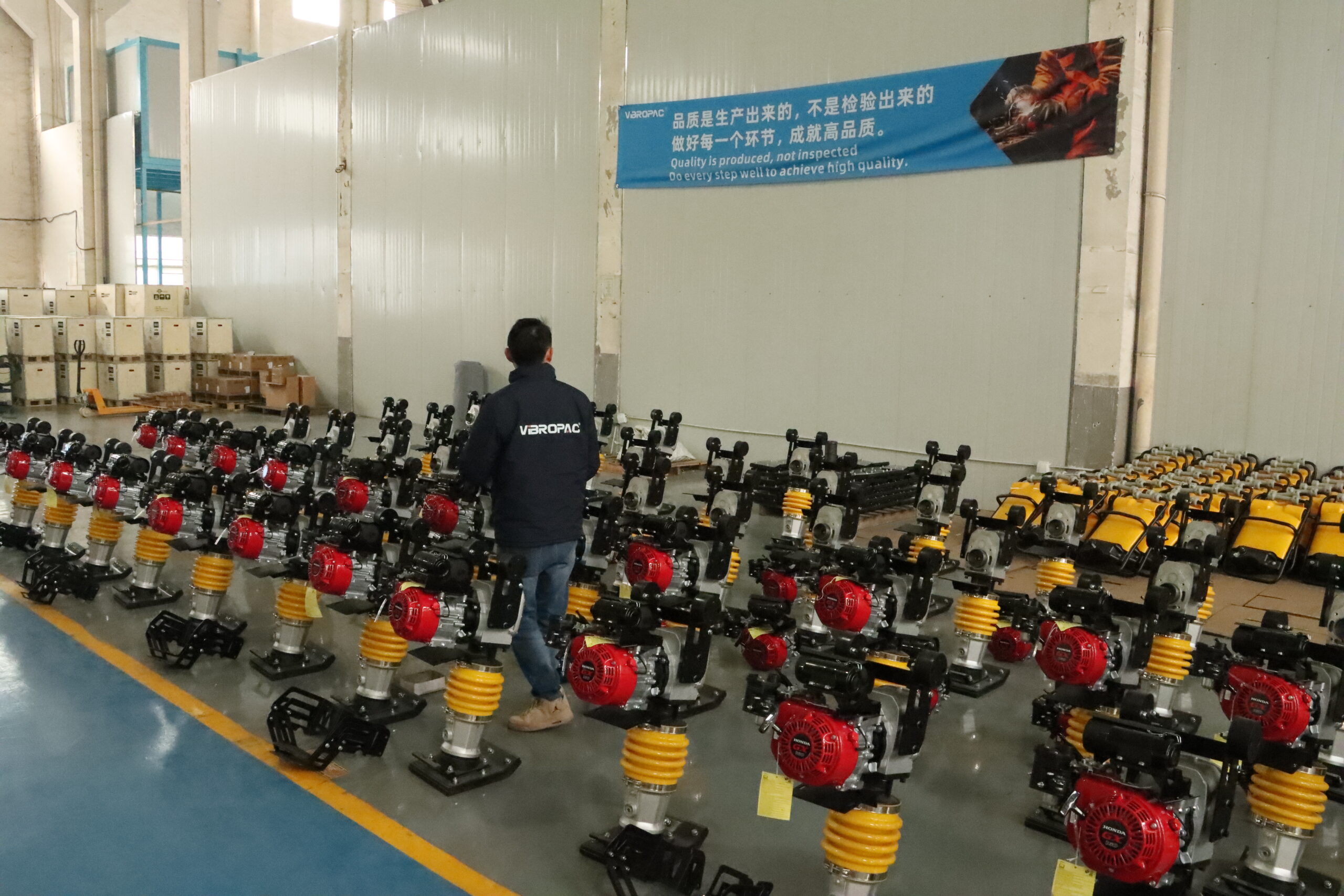
How to Choose a Commercial-Grade Tamping Rammer: 6 Key Criteria
For B2B buyers (contractors, distributors, wholesalers), choosing the right tamping rammer means balancing performance, durability, and total cost of ownership. Here’s what to prioritize:
1. Impact Force & Weight
- Commercial projects: 15-30kN impact force, 80-120kg weight.
- Avoid lightweight models () for high-volume work—they’ll wear out fast and deliver poor compaction.
2. Engine Quality
- Opt for reputable engines (Honda, Subaru, Yanmar) with 4-stroke technology—fewer repairs, longer lifespan.
- Diesel engines: Better for heavy-duty use (10+ hours/day) due to higher torque and fuel efficiency.
3. Durability Features
- Base plate: Steel or cast iron (thicker = more durable).
- Frame: Reinforced steel to withstand drops and rough job sites.
- Sealed electrical components: Protect from dust and moisture.
4. Ergonomics & Safety
- Vibration dampening handles: Reduce operator fatigue and workers’ compensation claims.
- Emergency stop button: Easily accessible for quick shutdowns.
- Wheel kit: For easy transport between job sites.
5. Total Cost of Ownership
- Look for models with readily available spare parts (critical for commercial use—downtime = lost money).
- Warranty: Minimum 2-year commercial warranty (covers engine and frame).
- Fuel efficiency: Diesel models save $500+/year in fuel costs vs. gasoline.
6. Customization Options (For Wholesalers/Distributors)
- Choose manufacturers that offer custom branding, adjustable weight/impact force, or modified base plate sizes.
- Wholesale tamping rammer suppliers should provide bulk pricing, global shipping, and technical support for your clients.
Tamping Rammer for Commercial Scenarios: Case & Tips
1. Trench Compaction (Utility Lines, Drainage)
- Use a 100kg diesel tamping rammer with extendable handles.
- Tip: Compact the sides of the trench first, then the bottom—prevents cave-ins.
2. Foundation Prep (Residential/Commercial Buildings)
- 120kg heavy duty tamping rammer with 30kN impact force.
- Tip: Compact the entire foundation area twice—once before and once after backfilling.
3. Road Edge Compaction (Highways, Sidewalks)
- 80kg gasoline tamping rammer (portable, easy to maneuver along edges).
- Tip: Use a narrow base plate (250mm) to reach tight spaces next to curbs.
4. Landscaping (Commercial Parks, Golf Courses)
- Battery powered tamping rammer (quiet, eco-friendly).
- Tip: Compact sand bases for pavers with a medium-weight model to avoid cracking.
Where to Buy Commercial-Grade Tamping Rammer in Bulk?
For wholesalers, contractors, and construction companies, partnering with a reliable tamping rammer manufacturer is critical. Look for:
- ISO 9001 certification (quality assurance for commercial use).
- Bulk pricing and flexible payment terms.
- Customizable models (branding, specifications).
- Global shipping and on-site technical support.
- Spare parts availability (24/7 delivery for emergency repairs).
Our commercial tamping rammer series includes gasoline, diesel, electric, and battery-powered models—engineered for 10,000+ hours of use. We offer wholesale pricing, custom solutions, and a 2-year commercial warranty. Contact us today to request a sample, get a bulk quote, or learn more about our distributor program!
FAQ
Q: How to improve tamping rammer efficiency for commercial projects?
A: Choose the right power source/weight for your soil type, compact in layers with 50% overlap, and follow a strict maintenance schedule to avoid breakdowns.
Q: What’s the difference between commercial and DIY tamping rammers?
A: Commercial models have higher impact force (15-30kN), durable materials (steel base plates), 4-stroke engines, and longer warranties—built for continuous use.
Q: Where to find wholesale tamping rammer suppliers?
A: Look for ISO-certified manufacturers with bulk pricing, custom options, and global shipping. Prioritize suppliers that offer technical support and spare parts.
Q: How to reduce operator fatigue when using a tamping rammer?
A: Use models with vibration dampening handles, mandate anti-vibration gloves, and rotate operators every 2 hours for long shifts.