
1. What Is A Heavy‑Duty Plate Compactor
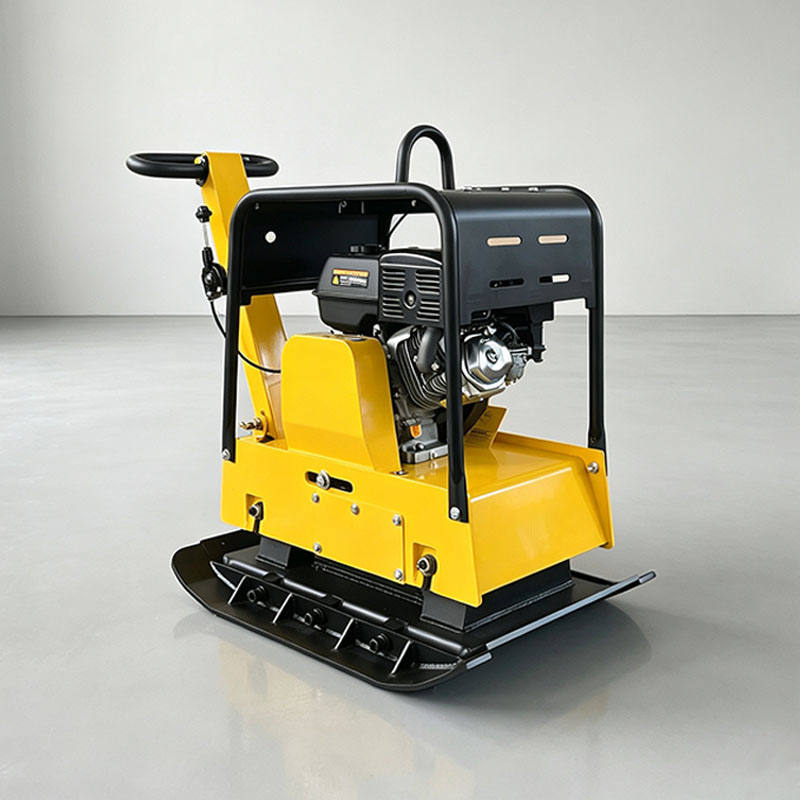
Different from lightweight compactors used for small home‑yard jobs, the heavy‑duty plate compactor is manufactured for long‑time heavy‑load work on commercial building sites, highway roadbeds and trench backfill zones.
Its thickened base plate, reinforced metal frame and powerful power‑unit help operators gain high ground density and lower the possibility of foundation settlement.
2. Common Types Of Heavy‑Duty Plate Compactor
2.1 Forward‑only Heavy Plate Compactor
2.2 Reversible Heavy‑Duty Plate Compactor
2.3 Diesel‑Powered Plate Compactor
3. Main Application Fields
- Municipal road construction: compact road base, gravel bedding layer and newly‑laid asphalt
- Trench backfill work for water pipes, cable trenches and sewer pipelines
- Warehouse, parking lot and factory‑yard foundation compaction
- Bridge abutment and culvert back‑filling
- Land reclamation, highway maintenance and hard‑scape engineering
4. Outstanding Merits Of Our Heavy‑Duty Plate Compactor
Second, wear‑resistant manganese steel bottom plate. The anti‑impact base plate resists scratches from stones and rough ground and lengthens machine service life.
Third, shock‑absorbing handrail design. The vibration‑damping handle lessens hand‑arm vibration and eases long‑time operation fatigue for workers.
Fourth, excellent heat dissipation system. The engine will not easily overheat under non‑stop heavy‑duty conditions.
Fifth, customizable service. We support OEM logo modification, spare‑parts supply and wholesale‑order service for global machinery dealers.
5. Buying Tips For Your Plate Compactor
- Match excitation force and compaction depth to your construction projects. Deep backfill needs higher‑grade heavy‑duty equipment.
- Pick reversible type if you frequently work inside narrow trenches.
- Prefer diesel power for outdoor long‑hour jobs; gasoline versions are fit for light‑duty short‑time tasks.
- Inspect base‑plate material, frame welding quality and shock‑absorbing components before purchase.