
1. What Is a Plate Compactor
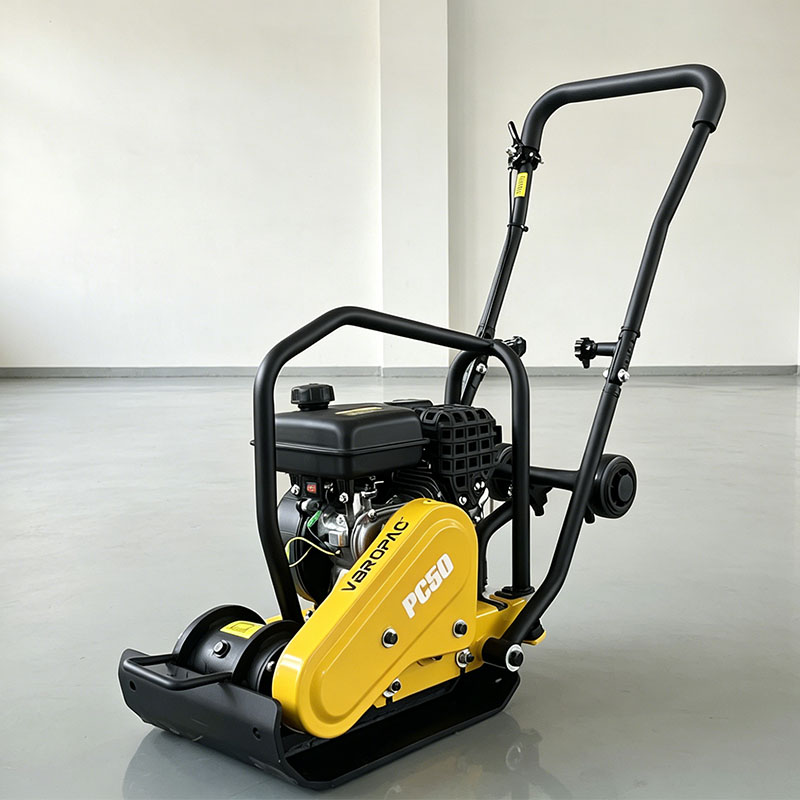
A plate compactor is a widely used vibratory compaction machine for construction groundwork. It relies on high-frequency vibration and self-weight to compact loose soil, gravel, sand and newly paved asphalt layers.
Compared with manual tamping and bulky roller machines, the plate compactor features compact size, flexible movement and uniform compaction effect. It effectively eliminates internal gaps in the foundation, improves ground density, and prevents post-construction settlement and cracking. It is essential equipment for road repair, foundation backfilling, landscaping and pavement engineering.
2. Main Types of Plate Compactors
2.1 Gasoline Plate Compactor
Gasoline plate compactors are the most popular outdoor compaction equipment. Free from power cord restrictions, they start quickly and move freely on open construction sites. With strong excitation force and stable continuous working performance, they are suitable for large-area soil backfilling, road base compaction, asphalt pavement repair and long-time outdoor foundation construction.
2.2 Electric Plate Compactor
Electric plate compactors are eco-friendly, low-noise and zero-emission compaction tools. Powered by pure electric motors, they deliver smooth and consistent vibration without fuel consumption or exhaust pollution. They are perfectly designed for indoor foundation compaction, basement backfilling, enclosed construction sites and urban projects with strict environmental and noise control standards.
3. Common Application Scenarios
- Road base, sidewalk and driveway gravel and soil compaction
- Asphalt pavement patching, repair and surface flattening
- Trenches, pipeline backfill and foundation soil consolidation
- Courtyard, garden landscape and pedestrian path hardening compaction
- Indoor floor, basement and enclosed space ground treatment
4. Core Advantages of Our Plate Compactors
First, stable and powerful compaction performance. High-frequency vibration system ensures uniform ground density, effectively solving loose foundation and uneven pavement problems. Second, durable wear-resistant base plate. Thickened steel bottom plate resists friction from gravel and hard soil, extending service life and reducing replacement frequency. Third, dual power options for full-scene adaptation. Gasoline models support flexible outdoor operation, while electric models meet indoor quiet and environmental protection construction needs. Fourth, humanized shock absorption design. Optimized shock-absorbing structure reduces operating vibration and relieves long-time working fatigue. Fifth, reliable quality and customizable service. All machines pass strict factory testing, supporting global bulk wholesale and OEM customization.
5. Plate Compactor Buying Guide
- Choose gasoline plate compactors for open outdoor sites, road engineering and long-hour continuous compaction work.
- Select electric plate compactors for indoor, basement and enclosed working areas with noise and emission limits.
- Match vibration force and plate size according to your compaction area and soil type.
- Check base plate thickness, motor or engine stability and shock absorption quality before purchasing.
6. Daily Maintenance Tips
Clean soil, gravel and asphalt residue on the base plate and body after each operation. Regularly check engine oil and air filter for gasoline models, and inspect circuit and motor condition for electric models. Fasten loose bolts and check vibration components regularly. Standard daily maintenance keeps stable performance and prolongs machine service life.